Home › Walkway and Pathway Paving
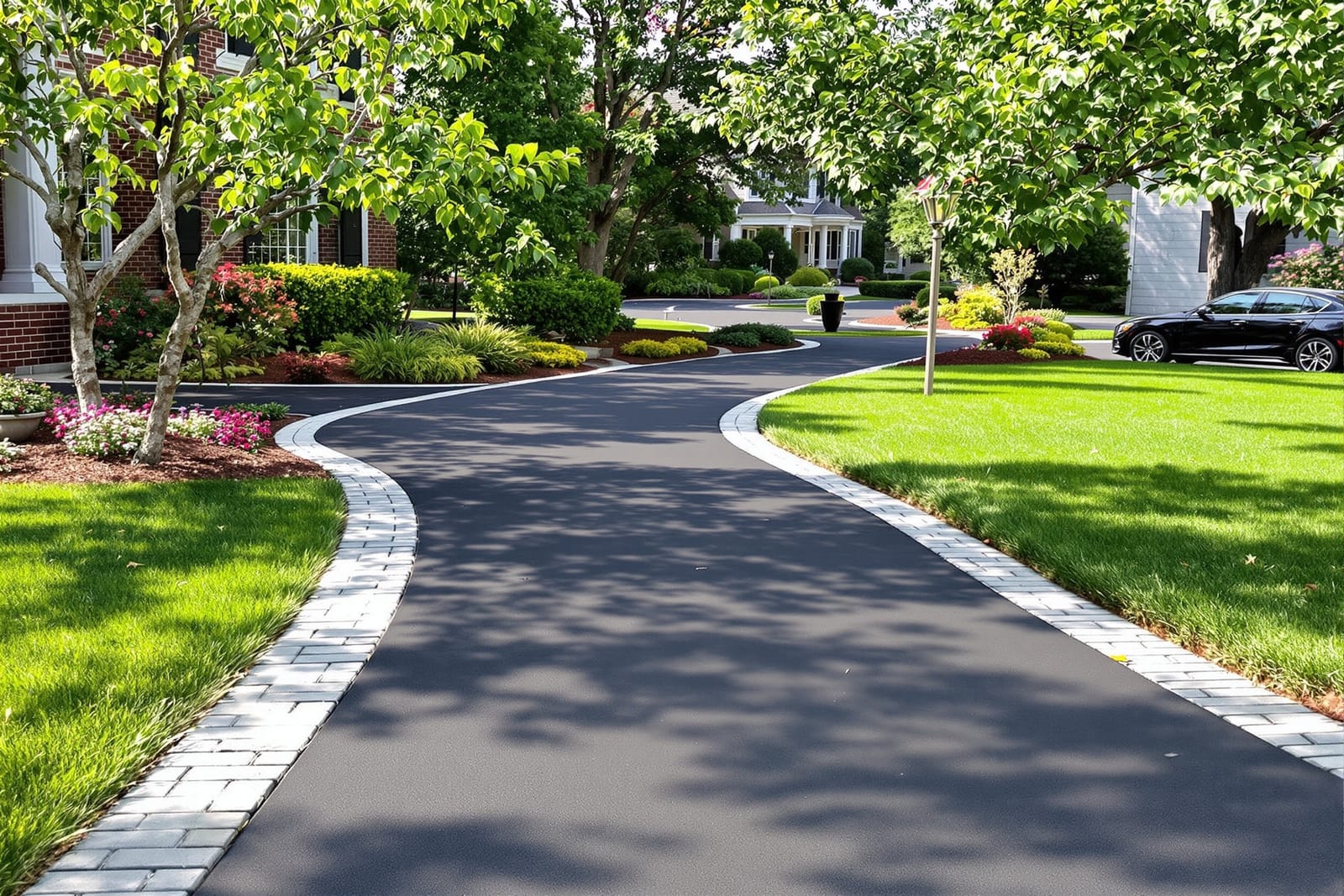
Create safe, smooth access around your property with asphalt walkway paving in Boston, MA. We design and install asphalt paths from driveways to doors, gardens, and backyards. Our team grades for drainage, forms clean edges, and compacts the surface for comfortable walking in any season.
Precision Asphalt Boston provides professional asphalt walkway paving throughout Boston, MA, Massachusetts and the surrounding area. Our licensed, insured crew delivers safe, clean, on-time work with a free estimate before anything begins. Call (617) 648-5798 or request your free quote.
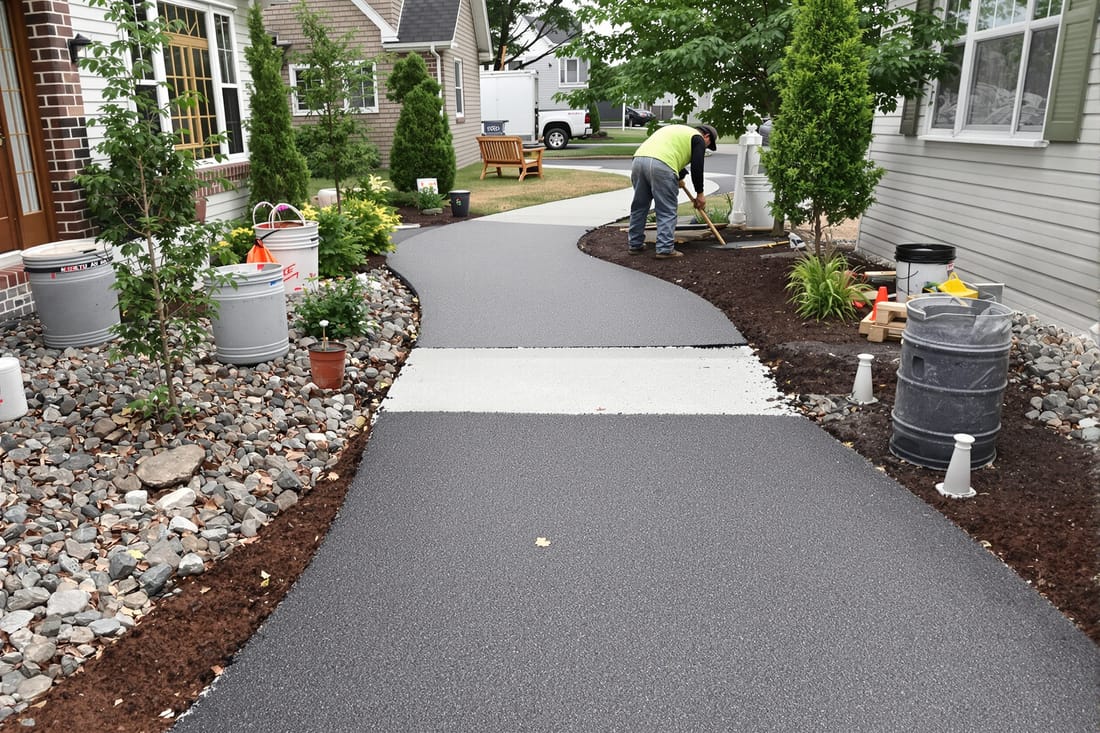
Asphalt Walkway Paving in Boston, MA That Holds Up Under Real Foot Traffic
Walkways and pathways take a different kind of abuse than driveways. Foot traffic, bikes, strollers, shovels, and ice melt all work on the surface day after day. At Precision Asphalt Boston, we build asphalt walkway paving that is sized, sloped, and finished specifically for how people use it, not just for how it looks from the street.
In Boston, walkways see freeze and thaw cycles for half the year. That movement in the soil is what leads to heaving, trip hazards, and puddles. Our crews factor in local soil conditions, existing tree roots, and drainage patterns around your property before we ever bring in hot mix. The goal is simple. A walkway that stays smooth, drains correctly, and does not become a liability when winter hits.
We work on residential paths from front steps to sidewalk, routes to backyard patios, access around garages, and commercial pedestrian routes that must meet ADA requirements. The planning is different for each. A front entry path may prioritize clean lines and curb appeal, while a multi building walkway system on a campus might focus on traffic flow and snow management. We walk the site with you, map out how people actually move through the space, and design the asphalt layout around that reality.
How We Build a Long Lasting Asphalt Walkway or Pathway
A solid asphalt walkway starts with excavation. We remove grass, roots, old stone, or failing asphalt to a depth that matches the use and soil. For typical residential walkways on firm ground, that is usually 6 to 8 inches. On softer or filled soil, we may dig deeper to reach stable subgrade. Any organic material that will rot and create voids is removed.
Next, we install a compacted base. In Boston, a dense graded crushed stone base is standard because it drains and locks tight. We spread it in lifts of 2 to 3 inches, compacting each lift with a plate compactor or roller until it is firm and does not shift underfoot. For walkways along slopes or near retaining walls, we may widen and deepen the base to resist movement from frost heave.
Once the base is set, we fine grade and establish the crown or cross slope. Even a narrow path needs slope so water leaves the surface instead of sitting and freezing. Typical cross slope for walkways is around 1.5 to 2 percent, gentle enough to feel level but enough to move water. We set forms or use string lines along edges to control the final height and shape.
Hot mix asphalt is then laid in one or two lifts depending on the use. For most foot traffic areas, we aim for 2 to 2.5 inches of finished asphalt thickness. For shared use paths that see light vehicle or service cart traffic, we may increase thickness and adjust the mix. We place the asphalt, rake to match our lines, and compact with a roller, switching to hand tampers around steps, foundations, and tight corners so everything is tight and supported.
Edges are critical on walkways. Where there is lawn, we often build a slightly wider base than the asphalt and compact the soil tight to the edge to support it. Where a cleaner line is wanted, we can set edging or coordinate with masonry for brick or stone borders. Finally, we walk the surface with you while it is still warm enough to correct minor imperfections, and we identify any areas that might need extra attention for drainage or snow removal.
Design Options for Walkways and Pathways that Fit Your Property
Straight black asphalt is not the only choice. Precision Asphalt Boston can shape and finish asphalt walkway paving so it actually matches the style of your property and how you use your outdoor space.
Layout is the first decision. Straight, direct runs work well from driveway to front door in tighter Boston lots. Curved paths are useful in larger yards, around gardens, or when we are intentionally routing around tree roots and utilities. During planning, we mark potential path lines with paint or flags and have you walk them so you can feel the route before any digging starts.
Width is next. A 3 foot path works for light use, but most homeowners prefer 4 feet so two people can walk side by side and shoveling is easier in winter. For commercial or multifamily properties, 5 feet or more is often appropriate for accessibility and higher traffic.
Surface options are simple but matter. Standard machine finish gives a smooth, durable surface that is easy to shovel and sweep. Where more traction is needed, such as steeper sections or shaded areas that ice up, we can adjust the compaction process to leave a slightly more textured surface while still keeping it solid and even.
Edges and transitions complete the look. We often tie new asphalt walkways into existing concrete steps, granite entries, or city sidewalks. That means careful attention to height, slope, and joint lines so there are no toe stubs or awkward gaps. For a more finished appearance, we can coordinate with your landscaper or mason for brick soldiers, stone borders, or planting beds that sit flush with the pavement. The goal is a walkway that functions properly in Boston weather and still looks intentional, not like an afterthought.
What Drives the Cost of Asphalt Walkway Paving in Boston
Pricing for asphalt walkway paving is driven by more than just square footage. When Precision Asphalt Boston prices a project, we walk through the site and break the work into real cost drivers so there are fewer surprises.
Access is one big factor. A simple straight path along a driveway that we can reach with equipment will cost less per foot than a backyard path that requires moving material through a narrow side yard or around obstacles. Tight access may mean more wheelbarrow work and more labor time.
Existing conditions matter. Removing old concrete, thick stone layers, or heavily rooted soil adds time and disposal costs. If the ground is soft or was previously filled, we may need a deeper base and more stone to prevent future settlement. On slopes or near drainage swales, we sometimes need additional grading work so the new path does not create ponding against the house or in low spots.
Design choices also influence price. Wider paths, curves instead of straight lines, and multiple intersections with steps, landings, or patios create more hand work and edging. Commercial jobs that require ADA compliant slopes and landings may involve more precise grading and layout time.
Finally, timing and coordination with other work can affect cost. If we can schedule your walkway along with a driveway or parking area in the same neighborhood, we can sometimes reduce mobilization costs. Boston weather is another factor. Work scheduled in shoulder seasons may require more attention to asphalt temperature and compaction windows, which we build into the plan so quality does not drop.
Common Walkway Problems in Boston and How We Prevent Them
Walkways in the Boston area typically fail in predictable ways. Our approach at Precision Asphalt Boston is to design and build to avoid those issues from the start, and to be clear with you about what to watch for over time.
Frost heave is the first issue. When water in the soil under and beside the path freezes, it expands and lifts sections of pavement. To minimize that, we excavate deep enough to reach stable material, use a well compacted, draining base, and avoid trapping water at the edges. On sites with known frost problems, we may recommend slight alignment changes or drainage adjustments ahead of the work.
Poor drainage is the second big problem. If a walkway is flat or tilted the wrong way, water will sit, seep into cracks, and freeze. On every project we set specific slopes and check them with a level or laser. We plan where water will go, usually off to one side into lawn or beds, not back toward foundations or onto neighboring properties. On longer runs or at building entries, we coordinate with gutters, downspouts, and any existing drains so the new pavement does not get hammered by concentrated water.
Tree roots are another Boston reality. We do not simply pave over them and hope. During layout, we try to route around major roots when possible. If roots are already pushing up an existing walkway, we discuss options with you, which can include selective root pruning with a clear understanding that it may affect the tree, rerouting the path, or installing a more flexible layout with extra base support where movement is likely.
Finally, thin or improperly compacted asphalt leads to early cracking and raveling. Our crews place material at the right temperature and compact it in multiple passes until the surface is tight. We recommend waiting at least 24 hours before normal use and a little longer before placing heavy planters or furniture on the edges, so the new surface can cool and harden properly.
Working with Precision Asphalt Boston on Your Walkway Project
A walkway or pathway project moves quickly once it starts, so clear planning is important. When you contact Precision Asphalt Boston, we schedule an on site visit, not a drive by estimate. We measure, check slopes, look at water flow, note utilities and access, and listen to how you expect the walkway to be used through all four seasons.
Within a short time, we provide a written proposal that breaks out the scope, such as excavation depth, base thickness, approximate path layout, and any tie in work to steps, doors, or sidewalks. If you are in one of Boston's tighter neighborhoods or on a shared lot, we can also discuss coordination with neighbors to reduce disruption.
On installation day, we review the layout with you before digging, adjust markings if needed, and explain where equipment will travel. Most residential walkway projects are completed within one or two days, depending on complexity and weather. We keep the site as tidy as the work allows, and we do a final clean up and walk through so you know how to use and care for the new pavement.
After the work is done, you receive practical maintenance guidance specific to Boston conditions. That includes how soon to shovel, what types of ice melt are safest for asphalt, and what early signs of issues to watch for, such as standing water or edge separation. Our goal is to build asphalt walkway paving that performs for years, and to give you enough clear information that you can spot small problems before they become larger repairs.