Home › Private Road and Lane Paving
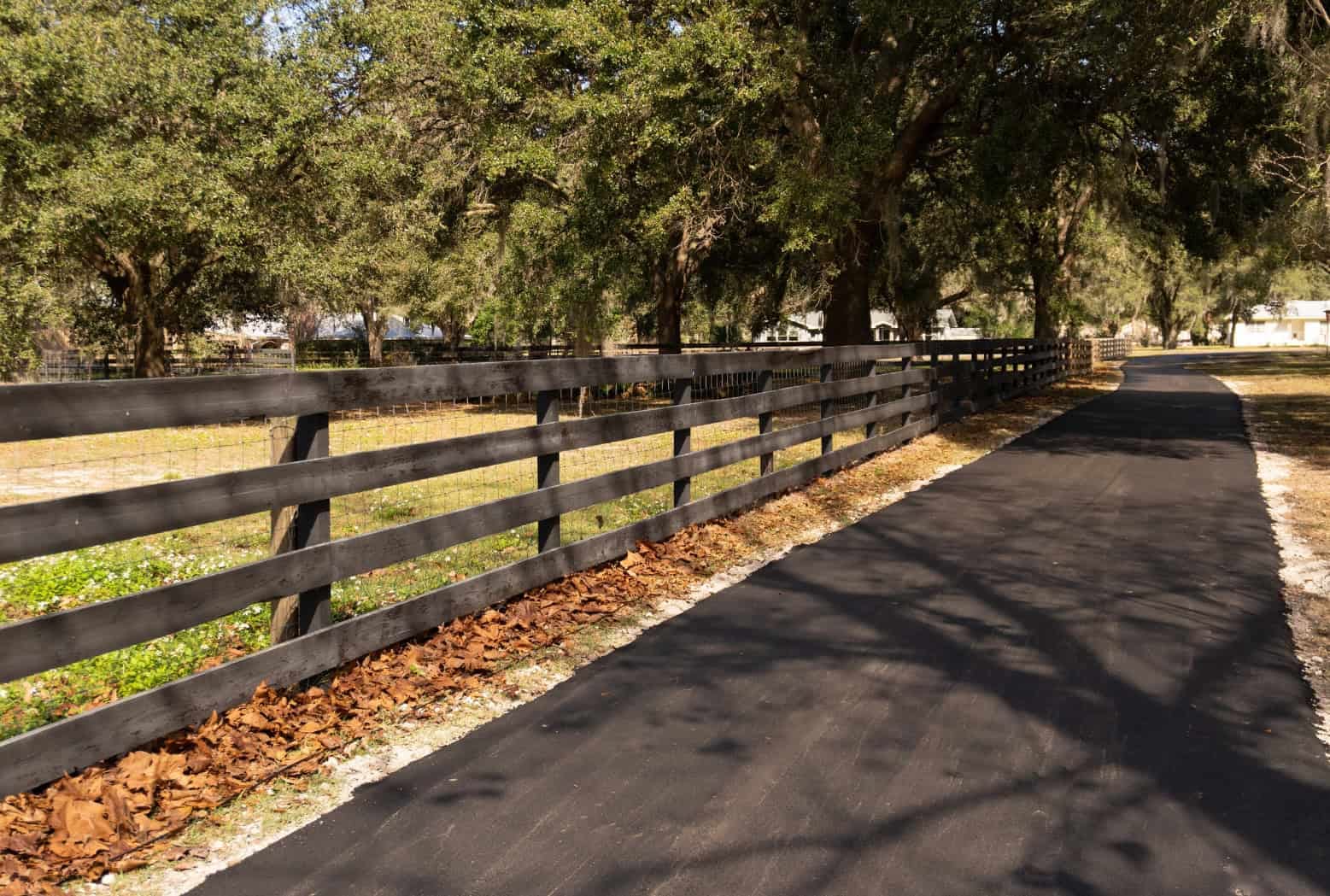
Upgrade rough gravel or worn pavement with private road paving in Boston, MA. We build and resurface asphalt lanes, shared driveways, and access roads for neighborhoods and rural homes. Our crew handles grading, drainage, and compaction so your private road stays smooth and passable in all weather.
Precision Asphalt Boston provides professional private road paving throughout Boston, MA, Massachusetts and the surrounding area. Our licensed, insured crew delivers safe, clean, on-time work with a free estimate before anything begins. Call (617) 648-5798 or request your free quote.
Private Road Paving for Boston Homes, HOAs, and Small Developments
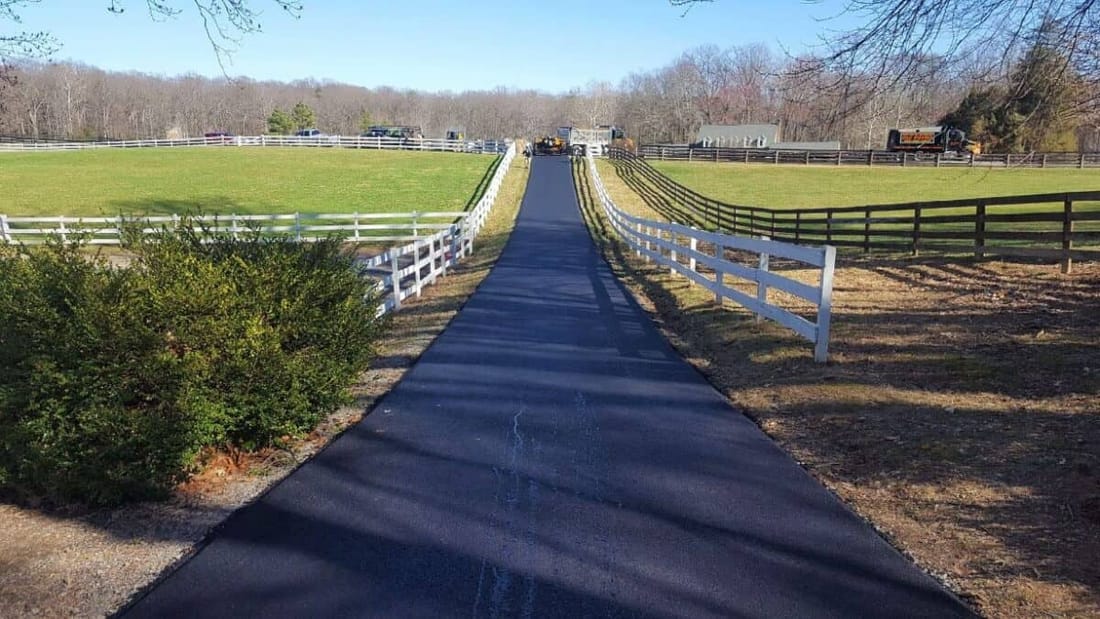
Private roads and lanes in and around Boston take a beating from freeze-thaw cycles, plow trucks, and constant patching. Precision Asphalt Boston focuses on private road paving for homeowners, HOAs, small condo associations, and light commercial sites that need something better than another short-term patch job.
We start by walking the full length of your road or lane with you and a measuring wheel, not just eyeballing it from the truck. We note drainage patterns, soft spots, rutting, and how snow is typically pushed in winter. For shared drive lanes behind triple-deckers, we pay attention to tight turning areas where car tires shred asphalt. For longer private roads in suburbs like Milton, Dedham, or Waltham, we look for standing water and failing edges that usually come from weak base prep.
Before we give you a price, we confirm who actually owns and is responsible for the road. In Boston and nearby towns, some roads look private but are on the city or town layout. If you are not sure, we can point you to the Assessor’s maps or MassGIS so you do not accidentally plan to pave something the city controls. For true private roads, the owner or association usually decides on specs, but we build them to a standard that will satisfy typical lender, insurance, and fire lane expectations.
How Private Road and Lane Paving Is Done, Step by Step
Most private road paving projects follow a clear sequence. Getting this sequence right is what makes the road hold up for 15 to 20 years instead of crumbling in five.
1. Layout and grade checks. We mark the road edges, entrances, and any utility structures like manholes or water shutoffs. Using a laser level or transit, we verify that water will run toward swales or catch basins instead of back toward garages or basements. On sloped Boston neighborhoods, we often need a center crown so water sheds to both sides.
2. Milling or full-depth excavation. If you have an old, alligator-cracked surface, we either mill off 1.5 to 2 inches and repave, or, if the base is bad, excavate several inches of material. For lanes with heavy delivery or trash truck traffic, we often recommend going deeper on the base to prevent ruts.
3. Base installation and compaction. We install a gravel base, usually 4 to 8 inches of dense graded crushed stone, depending on soil conditions and traffic. In areas with poor native soil or organic fill, we dig out deeper and sometimes place a geotextile fabric to keep the base from pumping and moving. Every lift is compacted with a vibratory roller to reach proper density.
4. Fine grading and drainage shaping. We shape the base to create a consistent slope. On narrow shared lanes between buildings, this might be a simple cross-slope toward one side. On longer private roads, we often create a centerline crown and integrate swales or shallow ditches, so water has a clear path off the road.
5. Asphalt paving. For most private roads we install a binder course plus a top course. A common section is 2 inches of binder and 1.5 inches of surface after compaction, but we might go heavier where garbage trucks and oil trucks turn. We use state-spec hot mix asphalt placed by a paver, not just spread by hand, to keep the surface consistent.
6. Compaction and finishing. Steel drum and pneumatic rollers compact the new asphalt while it is still at the right temperature. We match transitions at public streets, garage aprons, and walkways with smooth tapers, so there are no sharp bumps for cars or plows.
7. Clean-up and access. We sweep the edges, haul all debris, and, if needed, place temporary ramps or signage. In most cases you can drive light vehicles on the surface after 24 hours, though we recommend a few days before allowing heavy trucks and tightening steering in one place.
Design Choices, Asphalt Mixes, and Options for Your Private Lane
Private road paving is not one-size-fits-all. Precision Asphalt Boston will talk through a few practical choices that affect performance and cost.
Pavement thickness and structure: The right thickness depends on who uses the road. A short lane for three passenger cars a day does not need the same build as a shared access road for two dozen units with weekly trash and oil deliveries. We will size the base and asphalt layers to your real traffic, not just guess from the width.
Asphalt mix type: For most Boston-area private roads, we use a dense graded surface mix that holds up to plow blades and studded tires. Where we know heavy trucks will turn, we may recommend a slightly coarser surface or a stronger binder layer to reduce rutting. If your road is shaded and slow to dry, we may suggest a mix that resists stripping (stone coming loose from the binder) and we plan more aggressive drainage.
Width and layout: For very tight lanes behind older buildings, we sometimes widen a few critical areas by a foot or two so delivery trucks can swing without breaking edges. For HOAs, we can add pull-off areas or a small apron at mailbox clusters and dumpster pads to stop vehicles from breaking the main travel lane.
Edges and shoulders: One of the most common failure points on private roads is broken edges where cars drop a wheel off the side. To combat that, we can build gravel shoulders or install a backed edge where budget allows. A compacted shoulder lets water drain and supports the asphalt so it does not crumble.
Surface treatments: Not every client wants or needs sealcoating, but for private roads that are exposed to a lot of sun and plowing, we often recommend sealcoating after the first year of use. This helps slow oxidation and raveling. We will tell you honestly when it is worth the money and when you can skip it.
Costs, Permits, and Local Rules for Private Road Paving in Massachusetts
The cost for private road paving in the Boston area is driven mainly by square footage, thickness, base work, and access. Narrow, difficult-to-reach lanes behind existing buildings often cost more per foot than an open, new private road on a clear site, because we have to use smaller equipment and spend more time.
Removing unsuitable base and rebuilding it is usually the biggest variable. If we find clay pockets, buried construction debris, or saturated material, we will show you exactly what we uncovered and explain the options before proceeding. Spending money on a stronger base is almost always cheaper than having to rebuild the pavement in a few years.
Most fully private roads do not require a street opening permit from the city, but there are exceptions. If your project connects directly to a public way at the curb line, some towns around Boston want to review and approve that connection. If we are touching the sidewalk, curb, or city drainage structures, we may need a permit and detail approval. Precision Asphalt Boston is familiar with typical requirements in Boston and surrounding communities and can coordinate with your engineer or the local DPW as needed.
For HOAs and condo associations, you may need a vote or written approval before we start. We can attend a board meeting or provide a clear written scope, diagrams, and warranties, so owners know exactly what is being done and why the specification looks the way it does.
Utility considerations matter too. Private lanes often have shallow water services, sewer laterals, or conduit crossings that were never mapped. When we see evidence of past trench patches or know utilities are close to the surface, we adjust excavation depth and compaction methods to protect them, and we can coordinate Dig Safe markings before any digging is done.
We provide itemized proposals that separate base repair, milling, and new paving, so you can see what is discretionary and what is necessary. That allows you to phase work if needed, starting with the worst sections of your road instead of trying to pay for everything in one season.
Common Problems With Private Roads and How We Prevent Them
Most private roads and lanes in the Boston region fail for predictable reasons. Precision Asphalt Boston designs and builds with those issues in mind, so you do not end up right back where you started.
Poor drainage: Standing water along the edges or in wheel paths is the number one enemy. It softens the base, freezes in winter, and pops the surface. We address this by shaping consistent slopes, adding swales or simple shallow ditches where practical, and making sure water has a place to go that is not your neighbor’s yard.
Thin or weak base: Many older private roads were built with a thin layer of asphalt over whatever soil was there at the time. We test the base as we cut and, if it crumbles, pumps under the roller, or looks organic, we dig it out and rebuild with compacted crushed stone. This is especially important at tight corners and intersections where vehicle braking and turning loads are highest.
Edge breakup: Without support, the sides of a private lane unravel over time as vehicles roll off the side. We reduce this by compacting the edges carefully, adding shoulders, and, when possible, keeping heavy vehicles away from the very edge through layout or signage.
Utility trench settlement: Where utilities have been run across a private road, those areas often settle and crack. When we see trench lines, we cut them wider, remove weak backfill, and recompact in lifts. On longer runs, we sometimes recommend a thicker asphalt section over the trench to help bridge minor settlement.
Owner maintenance habits: Even a well-built private road needs basic care. We give you specific guidance at the end of the job: how long to wait before sealcoating if you choose to do it, when to call about cracks before they widen, how to set plow blades to avoid gouging, and why draining roof downspouts away from the lane will extend its life.
By combining solid base work, the right asphalt mixes, and practical drainage improvements suited to Boston’s climate, we deliver private road and lane paving that holds up through winters and heavy use instead of failing in a few short years.