Home › Gravel-to-Asphalt Conversions
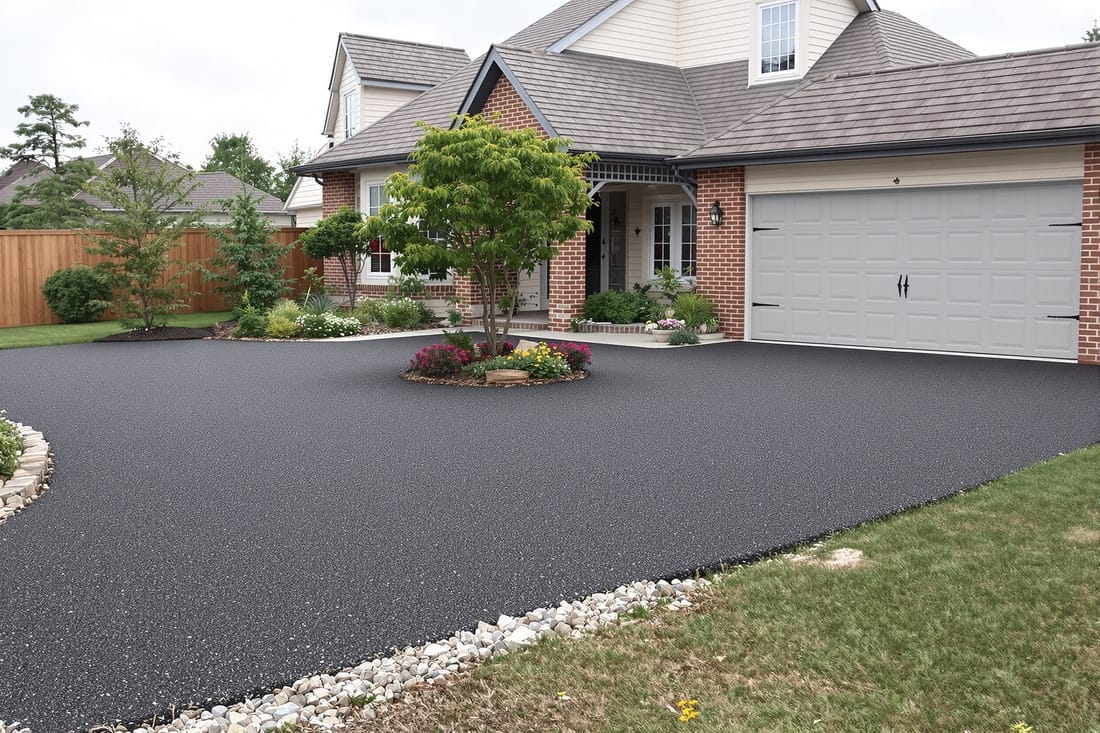
Tired of dust and ruts in your gravel driveway. Our gravel to asphalt driveway conversions in Boston, MA create a smooth, clean surface that is easier to maintain. We re grade the base, compact the stone, and install a durable asphalt layer designed for your traffic and site conditions.
Precision Asphalt Boston provides professional gravel to asphalt driveway throughout Boston, MA, Massachusetts and the surrounding area. Our licensed, insured crew delivers safe, clean, on-time work with a free estimate before anything begins. Call (617) 648-5798 or request your free quote.
Gravel-to-Asphalt Driveways Done Right in Boston
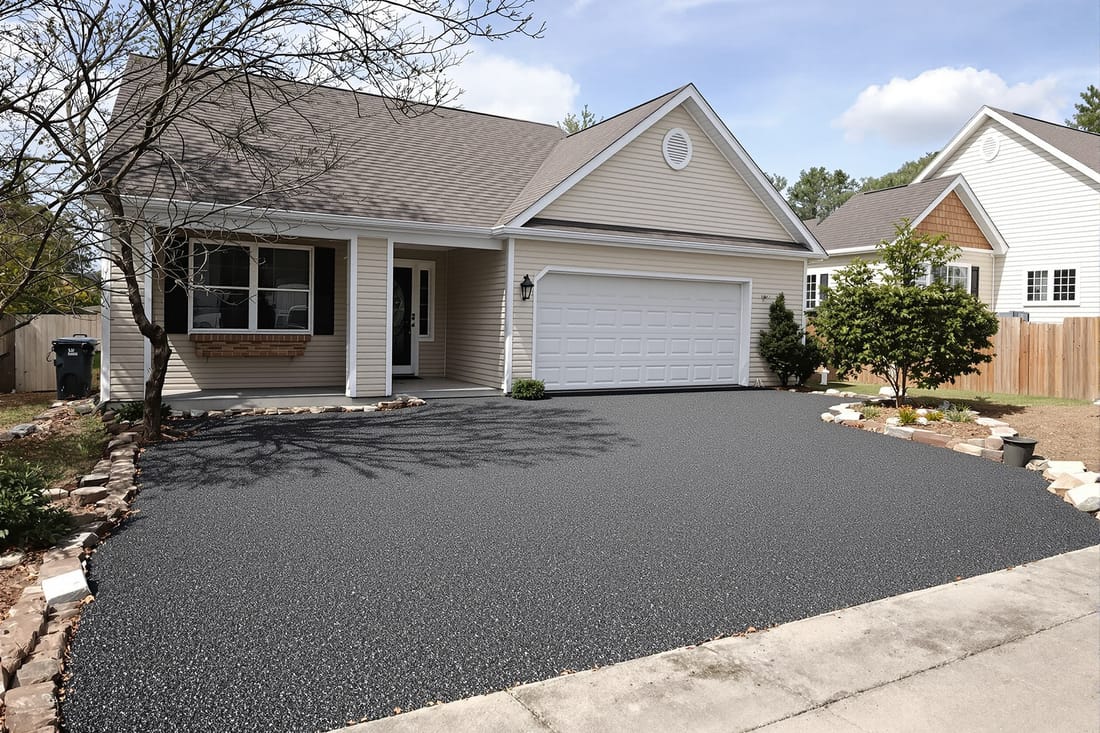
If you are tired of ruts, puddles, and dust from a gravel driveway, converting to asphalt is usually the most practical upgrade you can make. Precision Asphalt Boston focuses on gravel-to-asphalt driveway projects in Boston and nearby Massachusetts towns, so we understand the specific mix of freeze-and-thaw cycles, coastal moisture, and tight city lots that affect how your new driveway should be built.
Gravel is flexible and forgiving, but asphalt needs a stronger, more even base so it will not crack or sink. That is why a proper conversion is more involved than just spreading hot asphalt on top of your existing gravel. We look at how your driveway is used, how often you park vehicles, and whether delivery trucks, oil trucks, or plows regularly drive over it. We also look at where water currently flows and where it collects. All of this affects how deep we need to rebuild the base and how thick the new pavement should be. Our goal is a driveway that handles Boston winters without turning into a patchwork of potholes.
A typical gravel to asphalt driveway conversion in Boston includes grading, compaction, and often some drainage corrections. If your driveway slopes toward your house or garage, we may recommend a shallow swale or a small drain at the low point, so meltwater and summer storms do not run back toward your foundation. We also keep local plow habits in mind, especially in neighborhoods like Dorchester, South Boston, and Roslindale, where street plows can push heavy snow onto the first few feet of your driveway. Building a stable edge in this area helps prevent damage once the snow and ice set in.
Our Step-by-Step Process for Converting Gravel to Asphalt
When Precision Asphalt Boston converts a gravel driveway to asphalt, we follow a clear, field-tested process. Every job starts with an on-site evaluation. We check the existing gravel depth, soil type underneath, drainage patterns, and any tight spots for trucks or equipment. Clay-heavy or soft soils that are common in parts of Boston and older suburbs usually need more attention, since they shift more with moisture.
The first work stage is shaping and grading. We use grading equipment to strip off loose, contaminated gravel and organic material like weeds and roots. Anything that holds water or rots later can weaken the pavement from below, so it has to go. We then regrade the area to establish the proper pitch, usually at least a 1 to 2 percent slope so water runs off the driveway instead of sitting on it.
Next is base preparation. On most Boston area conversions, we add a layer of dense graded aggregate or process stone on top of compacted native soil. This is usually installed in lifts of 2 to 4 inches, then compacted with a vibratory roller. The number of lifts depends on how soft the subgrade is and what type of vehicles you use the driveway for. A homeowner on a quiet side street with two sedans does not need the same base thickness as a small business owner in East Boston who has delivery trucks backing in every day.
Only when the base passes our compaction checks do we bring in hot mix asphalt from a local plant. We spread the asphalt with a paver where possible, or by hand in tight backyards and alleys, then compact it with a steel drum roller. We pay particular attention to tie-ins at sidewalks, garage slabs, and city streets so you do not end up with tripping lips or spots that catch a snow shovel. The final step is cleaning up edges, restoring any disturbed lawn areas, and giving you clear instructions on when to park on the new surface and how to care for it over the first year.
Design and Material Choices for Your New Asphalt Driveway
A gravel to asphalt driveway does not have to look generic. Precision Asphalt Boston helps you choose design and material options that make sense for your property and the Boston climate. The two main decisions are pavement thickness and mix type, followed by layout details like parking pads and walk-off areas.
For most residential driveways in our area, a 2.5 to 3 inch compacted asphalt surface over a properly built base is the starting point. For heavier use, such as multi-family properties or homes with frequent contractor or delivery traffic, we may recommend a two-layer system. This might use a stronger base course mix on the bottom and a finer surface course on top that sheds water well and is easier to clear of snow. In steep South Shore or Newton-style driveways, we sometimes increase thickness at the bottom where vehicles brake and turn the most.
Mix selection matters in New England. We use plant mixes formulated to handle freeze-thaw cycles and de-icing salts. A slightly coarser surface can provide better grip in winter but we balance this with appearance and ease of shoveling or plowing. If you have a bright, sunny driveway, we might suggest a mix that tolerates more heat without softening so tire marks are less of a concern during summer heat waves.
Layout is another key part of a successful gravel-to-asphalt conversion. Since we are already grading and rebuilding the base, this is the time to widen tight turns, add a turn-around pad so you are not backing blindly into traffic, or straighten edges so snow can be pushed cleanly aside. If you have frequent visitors or tenants, we can mark or subtly shape parking spots so cars line up efficiently. All of these items are easier and cheaper to address during the conversion rather than trying to fix them after the asphalt is already installed.
Costs, Common Issues, and How We Handle Challenges in Boston
The cost of converting a gravel driveway to asphalt in Boston, MA can vary widely, and we are upfront about what drives that number. The biggest cost factors are driveway size, how much new base material is needed, how difficult it is to access with equipment, and any drainage corrections or excavation work. Smaller urban driveways that require more handwork and careful tie-ins to sidewalks or brickwork can cost more per square foot than wide open suburban driveways, simply because they take longer and require more labor.
Existing gravel depth and quality affect cost as well. If you already have 8 to 10 inches of clean, well-compacted gravel that drains well, we can often regrade and reuse most of it as part of the new base. If your driveway was originally built with mixed fill containing clay, loam, or construction debris, we may need to remove more material and bring in fresh processed stone. This adds to the budget but prevents future sinking and alligator cracking, which is common in older Boston properties where driveways were added informally over the years.
Common issues in Boston include water running from neighboring properties, deep ruts from oil trucks, and snow and ice build-up along city plow lines. Precision Asphalt Boston deals with these by improving pitch, sometimes adding a small gravel shoulder or swale, and building stronger edges where plows tend to pile snow. For driveways that sit lower than the street, we may suggest a trench drain at the entrance or a slight ramp profile so street runoff is less likely to pour into your driveway.
We also pay attention to utility access. Many Boston driveways have water shutoffs, sewer cleanouts, or conduit boxes within the footprint. During a gravel-to-asphalt conversion, we locate these, adjust heights if needed, and set them in solid collars so the surrounding asphalt does not crumble under traffic. Doing this correctly is more detailed work at the start, but it is far cheaper than cutting and patching the driveway later once you have a problem.
What Boston Homeowners Should Know Before Converting Gravel to Asphalt
If you are planning a gravel to asphalt driveway project, there are a few decisions and timing issues worth thinking through ahead of time. The best paving window in Boston runs from late spring into early fall, when overnight temperatures stay reliably above 45 degrees and the ground is not saturated from snowmelt. Precision Asphalt Boston schedules most conversions during this window so compaction and curing are not compromised.
Before work starts, it helps to decide whether you want to keep the exact footprint of your existing gravel or make changes. Since we will be reshaping the base anyway, this is the ideal moment to correct a tight corner, make space for a second vehicle, or fix a habitually muddy side area. Marking underground sprinklers, invisible pet fences, and any shallow utilities ahead of time will also prevent surprises. If you are in the city limits or working near the sidewalk, we verify whether any permits or curb cut rules apply and handle those details with you.
After installation, most new asphalt driveways can be walked on within a few hours and carefully parked on after 24 to 48 hours, depending on temperature. The surface will continue to cure over several months. We typically suggest holding off on sealing for the first year so the asphalt can fully harden. Good habits help your new driveway last longer: avoiding sharp turning of wheels while parked, keeping heavy dumpsters or storage pods off the pavement when possible, and making sure downspouts do not dump water directly on the driveway.
When you compare estimates, look closely at base thickness, number of asphalt lifts, and whether drainage corrections are included. A cheaper quote that skips base work or drainage planning is often not a bargain once Boston winters and plows go to work. Precision Asphalt Boston explains each line item so you know exactly what you are getting and what kind of performance to expect over the next 15 to 20 years.