Home › Commercial Gravel-to-Asphalt Conversions
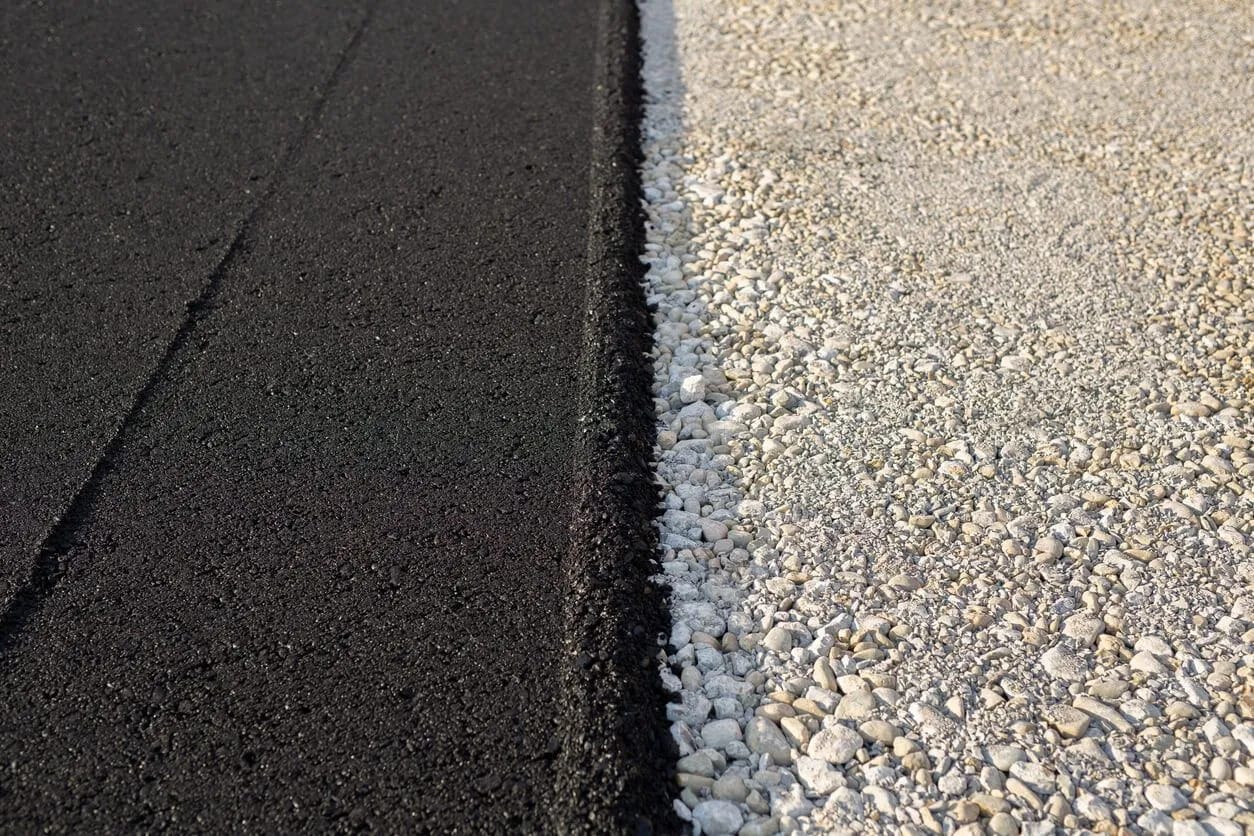
Upgrade rough gravel areas with commercial gravel to asphalt conversions in Boston, MA. We transform dusty, rutted parking lots and access drives into clean, professional asphalt surfaces. Our team re grades the stone base, compacts it, and installs asphalt designed for your traffic and load needs.
Precision Asphalt Boston provides professional commercial gravel to asphalt throughout Boston, MA, Massachusetts and the surrounding area. Our licensed, insured crew delivers safe, clean, on-time work with a free estimate before anything begins. Call (617) 648-5798 or request your free quote.
From Gravel Lot to Durable Asphalt Surface in Boston
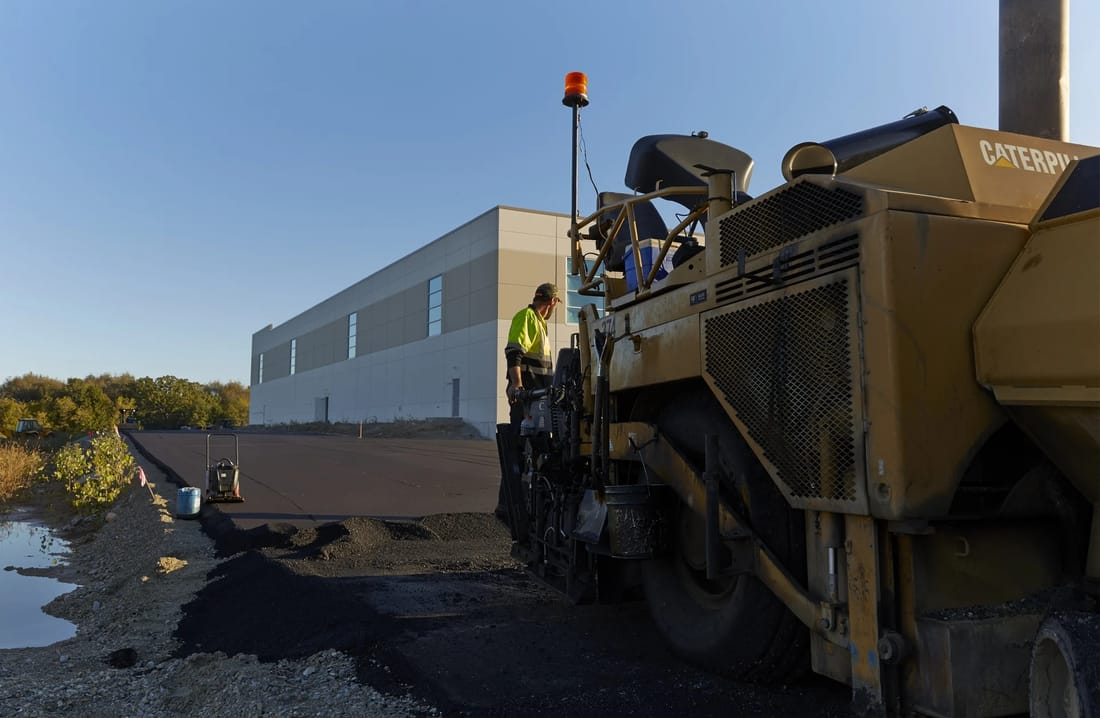
A gravel lot can be tough to maintain in Boston. Potholes form after every winter, dust blows onto neighboring properties, and snow removal is difficult. Precision Asphalt Boston specializes in commercial gravel to asphalt conversions that turn rough, uneven areas into clean, striped, and long lasting paved surfaces that stand up to New England weather.
We focus on commercial properties throughout Boston and nearby Massachusetts communities, including office parks, multi family housing, industrial yards, schools, and churches. Our crew understands how local freeze and thaw cycles, heavy plow trucks, and mixed traffic (cars, box trucks, delivery vans) affect a new asphalt surface. When we convert a gravel area, we design the pavement structure for what you actually use it for, not a generic parking lot.
From your first walk through to final striping, you work with a local team that plans around your operating hours, tenant access, and city requirements. We help you decide whether a full depth asphalt section or an asphalt over improved base is better for your site and budget, and we explain each step so you know what you are getting before construction starts.
Site Evaluation and Planning for Boston Gravel to Asphalt Projects
Every commercial gravel to asphalt project in Boston starts with a detailed site evaluation. We walk the property with you to understand traffic patterns, drainage issues, and how you currently use the space. We note building entrances, loading docks, dumpster pads, fire lane requirements, and any tight turning areas where trucks may rut the gravel.
Our team checks existing grades and water flow. In many older gravel lots, meltwater from snow piles runs toward doorways or settles in low spots. For a proper conversion, we plan finished asphalt elevations so water moves to catch basins, swales, or perimeter edges. If needed, we coordinate with your engineer or can recommend one for lots that require new drainage structures or Boston permitting.
We also evaluate the existing gravel and subgrade. In some Boston properties the gravel is clean and compacted, so we can regrade and improve it. In others, especially lots used for years, the stone may be contaminated with fines, organics, or construction debris. In those cases we may remove and replace sections of the base or add geotextile separation to stabilize soft areas. This early planning helps avoid costly surprises after we start excavation.
How Commercial Gravel to Asphalt Conversions Are Built
Once the plan is set, Precision Asphalt Boston schedules your project for an appropriate weather window, typically April through November for full depth paving. We coordinate phasing if you need to keep part of the lot open, setting up temporary access routes and signage.
The typical sequence is:
1) Strip and proof roll. We remove any vegetation, topsoil, or unsuitable material, then compact and proof roll the existing gravel and subgrade. A loaded truck or roller passes over the surface so we can spot soft or pumping areas that need undercut and replacement.
2) Base improvement. We regrade the stone to create the proper slope, then add and compact new base material if needed. For most Boston commercial applications we use dense graded crushed stone (often 3/4 inch minus) in thicknesses from 4 to 12 inches depending on traffic loads and soils. In problem areas we may install geotextile fabric or geogrid for added support.
3) Binder course paving. For heavily used lots we often install a base or binder course of asphalt, typically a coarser mix placed at 2 to 3 inches compacted. This creates a strong, stable layer beneath the smoother top course.
4) Surface course paving. We then place the top course, usually 1.5 to 2 inches of fine graded asphalt designed for good ride quality and durability. Compaction is critical, especially in Boston’s climate. We make sure joints are tight, transitions to sidewalks are smooth, and drainage paths stay true to our design.
5) Striping and site finishes. After the asphalt cools, we layout and paint parking stalls, ADA spaces, fire lanes, and directional arrows. If needed we install curb stops, bollards at vulnerable corners, and signage. The result is a fully functional paved lot or drive area where there used to be gravel.
Design Options for Commercial Asphalt Conversions
Not every gravel to asphalt conversion needs the same design. Precision Asphalt Boston helps you choose a pavement structure that matches your site conditions and budget.
For lighter duty commercial parking with mostly passenger vehicles, we may recommend 4 to 6 inches of compacted gravel base, 2 inches of binder (optional in some cases), and 1.5 inches of surface course. For mixed use lots with delivery trucks and regular loading, we typically increase the base and binder thickness or use a stronger asphalt mix. Industrial yards, dumpster approach areas, and fire lanes may need even heavier sections to prevent rutting and shoving.
We also discuss whether certain high stress locations deserve concrete instead of asphalt. For example, at dumpster pads or tight truck turning points, a concrete apron tied into adjacent asphalt can significantly reduce surface damage and long term repair costs. While this adds some upfront cost, it often pays off over years of use.
Markings and layout are another design decision. During a gravel to asphalt conversion, you have a chance to improve traffic circulation and parking efficiency. We can re stripe to add spaces, widen drive aisles for safer movement, or clearly mark one way patterns. For Boston properties with tight urban access, thoughtful layout can reduce fender benders and bottlenecks at peak times.
How Boston Weather and Seasons Affect Your Project
Boston’s climate has a direct impact on how and when we complete commercial gravel to asphalt conversions. Asphalt should not be placed on frozen ground or in very cold temperatures, and it needs time to cool and set before heavy use.
Most full conversions are scheduled from mid spring through mid fall. Early spring projects require careful attention to thawing subgrades. A gravel lot that looks firm during the day can soften overnight as frost comes out of the ground. We use proof rolling to catch these spots and may recommend waiting a short time or performing localized undercuts so your new asphalt does not settle later.
Winter conditions affect long term performance as well. Boston sees repeated freeze thaw cycles and frequent salting and plowing. For that reason, we focus on achieving proper pavement thickness, strong base compaction, and positive drainage. Standing water that freezes in shallow ruts will accelerate cracking and potholes. A correctly built commercial asphalt section sheds water and resists damage from plow blades and deicing chemicals.
We also factor in your snow management plan. During design we can create designated snow storage areas away from entrances and accessible spaces and adjust grades so meltwater drains to suitable locations instead of across walkways or loading docks.
Cost Drivers and Ways to Control Your Budget
No two commercial gravel to asphalt projects cost the same, even within Boston. Precision Asphalt Boston explains what drives your price so you can make informed choices.
Key cost factors include:
• Size of the area and access. Large open lots are more efficient to pave than small, broken up areas around multiple buildings. Limited access that requires small equipment or handwork increases labor.
• Existing base condition. If your gravel is deep, clean, and well compacted, we may be able to use much of it, which saves money. If the existing material is thin, saturated, or mixed with clay and organics, more excavation and new stone will be required.
• Required pavement thickness. Heavier traffic means more base and thicker asphalt layers, which adds material and installation cost but also increases lifespan.
• Drainage improvements. Adding catch basins, drain lines, or significant regrading can be a major part of the budget. Sometimes small grade changes and surface shaping can improve drainage without full pipe systems.
To control costs, we can phase a large conversion over multiple seasons, starting with the most critical or high traffic areas. In some cases, we may stabilize and pave only main drive lanes and priority parking, then convert overflow or storage areas later. We are transparent about pricing options so you can align the project with capital budgets and planning cycles.
What to Expect When Working With Precision Asphalt Boston
When you hire Precision Asphalt Boston for a commercial gravel to asphalt conversion, communication and coordination are built into the process. Before work begins, we review the plan, schedule, and staging with your property manager or facility team so tenants, customers, and vendors know what to expect.
You can expect clear notice of any temporary access changes, safe pedestrian routes, and signage throughout the project. We maintain a clean site, manage dust during excavation, and coordinate with trash haulers, delivery carriers, and emergency access requirements so your operations stay as normal as possible.
After paving, we walk the site with you to verify drainage, confirm striping layout, and address any punch list items. We provide guidance on when to allow light vehicles and heavier trucks onto the new asphalt, usually within 24 to 72 hours depending on temperature and thickness. We also discuss simple maintenance habits, like avoiding sharp turning of heavy trucks in the same spot and sealing cracks as they appear, to extend the life of your new pavement.
Because we are based in Boston, we are available long after the project is complete. If you have questions during the first winter, need changes to your striping layout, or want a long term maintenance plan, you can reach the same team that built your lot and knows its details.