
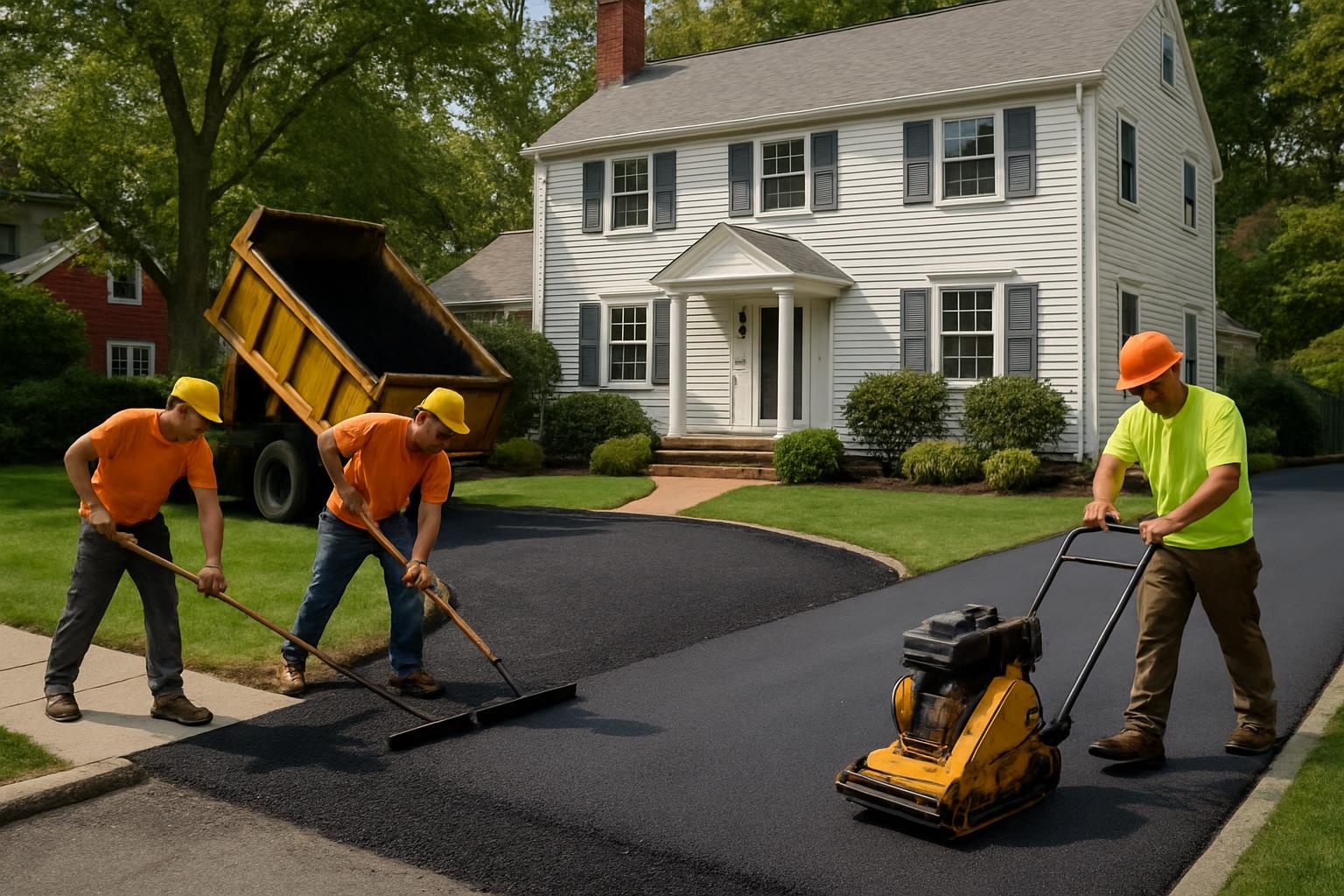
If you own a home or manage a property in Boston, MA, you know how tough our weather can be on asphalt. Freezing winters, spring thaws, summer heat, and plenty of traffic all work together to break down driveways, parking lots, and private roads. Choosing the right asphalt paving contractor in Boston is the difference between a smooth, long‑lasting surface and one that cracks and crumbles in just a few years.
At Precision Asphalt Boston, we talk to a lot of homeowners and property managers who are fixing problems that could have been avoided with better planning and a more qualified paving crew. Here’s what you should look for when you’re hiring an asphalt paving company in Boston, and how to make sure your new pavement is built to handle New England conditions.
First, verify that the contractor truly understands Boston’s climate and soil conditions. Our freeze‑thaw cycles are intense, and that affects everything from the base preparation to the asphalt mix design. A trustworthy paving company will talk about proper grading for drainage, compacting the sub‑base in thin layers, and using mixes suitable for roads treated with de‑icing salts and sand. If a contractor dismisses drainage or says they can pave right over soft or wet soil, that is a red flag.
Next, ask about experience with the specific type of project you have. Residential driveways, commercial parking lots, and private roads each have different engineering needs. A Boston driveway that sees only passenger vehicles can be built differently than a loading area where trucks turn and back up every day. A reliable contractor should be able to explain the right pavement thickness and base depth for your project, instead of giving a one‑size‑fits‑all answer.
Local references are another essential factor. In Boston, you should be able to drive by completed projects to see how they are holding up after a few winters. Ask for addresses of driveways or lots paved at least three to five years ago. Look for major cracks along the wheel paths, dips where water collects, or areas that are crumbling at the edges. Some hairline cracking is normal, but widespread failure usually points to rushed or careless work.
You should also ask detailed questions about the base and thickness. A durable driveway or lot in Boston starts with a solid, compacted base. For most homes, that means several inches of well‑compacted crushed stone, installed in layers and compacted with heavy equipment. On top of that, many residential projects get 2 to 3 inches of hot mix asphalt after compaction, while commercial work may require more. Be wary of contractors who quote a price without specifying compacted thicknesses in writing.
Drainage is critical in our region. Water that sits on the surface or seeps into the base will turn to ice in winter, pushing the asphalt up and creating cracks and potholes. A knowledgeable paving company will inspect the slope of your property and discuss options such as re‑grading, adding swales, tying into existing drainage, or building a slight crown into private roads. They should aim to move water away from your foundation, walkways, and low spots where it could freeze.
When comparing quotes, look beyond the bottom line. Low bids sometimes come from skipping base preparation, using thinner asphalt, or cutting corners on compaction. A detailed proposal should outline demolition, base installation, compaction methods, asphalt thickness, the number of passes with rollers, and any extras like transitions to sidewalks or street aprons. In Boston, permits may also be required for certain curb cuts or connections to public streets, and a reputable company will be familiar with these rules.
Communication and scheduling matter too. Good contractors are upfront about timelines, how long you will be unable to drive or park on the new asphalt, and what happens if weather delays the job. In our climate, temperature and moisture affect when paving can be done properly. A quality-focused company will push back a job if conditions are not right, rather than rushing just to stay on schedule.
Maintenance is the last piece of the puzzle. Ask your paving contractor how to protect your investment over time. In Boston, that usually means keeping the surface clean, treating oil or gas spots quickly, addressing cracks before winter, and planning for sealcoating on a proper schedule. Proactive maintenance extends pavement life and helps you avoid major replacement bills.
If you are planning a new driveway in Boston, an asphalt driveway installation done correctly from the start will stand up far better to snow, plows, and daily traffic. Precision Asphalt Boston focuses on careful site preparation, proper drainage, and high‑quality materials tailored to local conditions so homeowners get a driveway that looks sharp and performs well for years.
To get started on a durable new asphalt driveway for your Boston property, schedule an on‑site estimate. We will evaluate your existing surface, discuss options that fit your budget, and design a paving solution that handles New England weather while boosting your home’s curb appeal.