Home › Asphalt Resurfacing & Overlays
Refresh your worn driveway with asphalt resurfacing in Boston, MA instead of a full replacement. We install asphalt overlays that cover minor cracking and surface wear, creating a smooth, uniform finish. Our team evaluates your existing base and drainage to ensure your new resurfaced driveway will perform well for years.
Precision Asphalt Boston provides professional asphalt resurfacing throughout Boston, MA, Massachusetts and the surrounding area. Our licensed, insured crew delivers safe, clean, on-time work with a free estimate before anything begins. Call (617) 648-5798 or request your free quote.
Asphalt Resurfacing & Overlays in Boston, MA
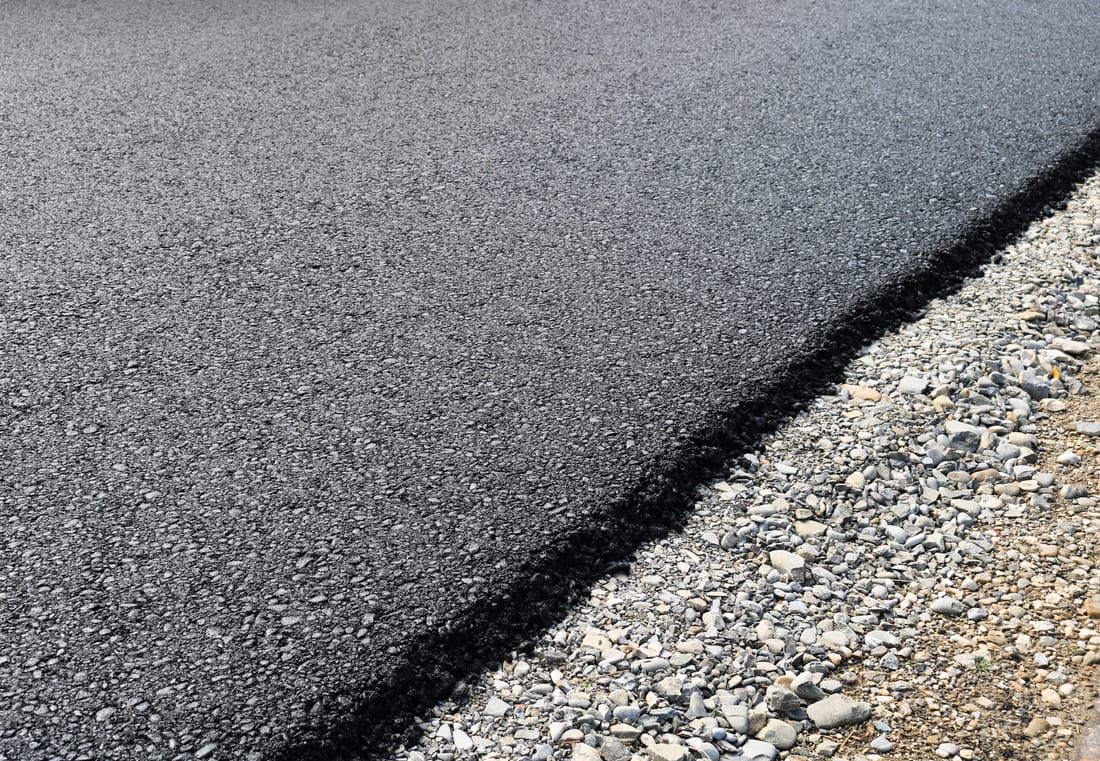
If your driveway or parking lot is worn, cracked, or faded but the base is still solid, asphalt resurfacing is often the smartest way to restore it. Precision Asphalt Boston specializes in asphalt overlays that give existing pavement a new life without the cost and disruption of a full tear out.
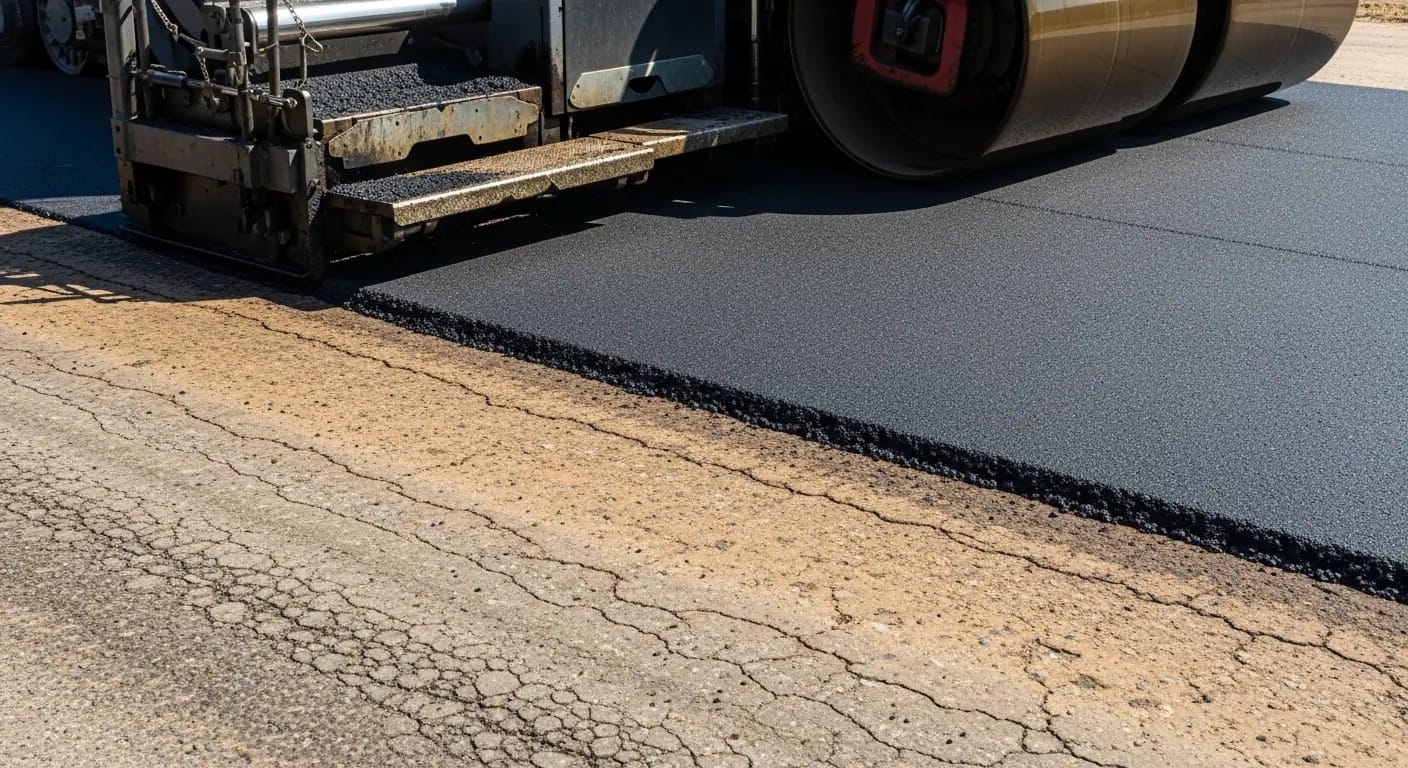
In a typical resurfacing project, we mill or grind off the top layer of damaged asphalt, repair any structural issues we find, then install a fresh layer of hot mix asphalt over the existing base. This process keeps the stable foundation you already have and invests your budget where it counts, in the new surface course that handles traffic and weather.
Resurfacing is ideal for Boston property owners whose pavement looks bad but is not failing from underneath. If you are seeing shallow cracks, raveling, or isolated potholes but no widespread sinking or pumping water when vehicles pass, an overlay may be the right solution. Our team will evaluate your pavement on site so you know for sure before you commit to any work.
When Asphalt Resurfacing Makes Sense (and When It Does Not)
Not every cracked driveway or lot is a good candidate for asphalt resurfacing. Precision Asphalt Boston uses clear criteria to determine whether an overlay will last or if you would be wasting money putting new asphalt over failing pavement.
Resurfacing is usually appropriate when: the asphalt is more than 5 years old, the surface has alligator cracking only in scattered areas, the base is firm underfoot with no spongy or pumping spots, and drainage is generally good with water running away from buildings and not standing for long periods. In these cases, targeted base repairs plus a new surface layer can add 10 to 15 years of life.
Resurfacing is risky when: more than 30 percent of the area has deep alligator cracking, there are multiple areas of settlement or heaving from frost, water is trapped at edges or in the center, or the pavement has patched utility trenches that move every winter. In these cases we will recommend partial or full-depth replacement, not because it costs more, but because an overlay would likely crack again within a few New England freeze thaw cycles.
During your estimate, we core or probe suspect areas, look for evidence of subbase movement, and check slopes with a level. You will get a clear explanation of whether resurfacing is a sound choice for your specific property, not a one size fits all answer.
How Our Asphalt Resurfacing Process Works
Every resurfacing and overlay project that Precision Asphalt Boston completes follows a structured process tailored to Massachusetts conditions. This keeps the work predictable for you and ensures performance through harsh winters and summer heat.
1. Site evaluation and planning. We inspect the existing pavement, note drainage paths, check curb transitions, and verify clearance at garage doors, steps, and drains. Because an overlay adds thickness, we confirm that raising the surface will not create trip hazards or water intrusion issues.
2. Milling and surface preparation. In most cases we machine mill a set depth across the entire area, often between 1 and 2 inches, to remove oxidized asphalt and create a textured bonding surface. Along transitions to concrete aprons, manholes, and catch basins we mill deeper to keep finished elevations flush. We then clean the milled surface thoroughly using blowers and brooms so there is no dust or debris to interfere with bonding.
3. Base and structural repairs. After milling, weak areas become easier to spot. We cut out failed sections, excavate to a stable subbase, and rebuild with compacted gravel and new asphalt as needed. This step is critical in Boston, where frost heave and old utility trenches often create hidden problems.
4. Tack coat application. We spray a uniform tack coat of asphalt emulsion over the prepared surface. This acts like glue between the old pavement and the new overlay, preventing slippage and delamination during temperature swings and braking forces.
Overlay Installation, Compaction, and Finishing Details
5. Installing the overlay. For residential driveways around Boston we typically install a 1.5 to 2 inch compacted surface course. Commercial lots often receive 2 to 2.5 inches, especially in drive lanes and loading areas. We use hot mix asphalt from local Massachusetts plants that meets MassDOT or equivalent specifications for aggregate size and binder content.
Our crews place the mix while it is within the proper temperature window, then grade it carefully to maintain drainage patterns. In small spaces a skid steer and rakes are used. In larger lots we use a self propelled paver for smoother, more consistent mat thickness.
6. Compaction. Immediately after placement, steel drum and pneumatic rollers compact the new asphalt. Proper rolling sequence and pass counts are critical, especially in cool New England weather where the mix can lose heat quickly. We pay close attention to joints, edges, and areas around utility castings so there are no weak lines that can open under traffic.
7. Joints, edges, and cleanup. Where the new overlay meets existing asphalt or concrete, we create clean, straight joints and seal them as needed to minimize water intrusion. At the end of the project we remove loose material, sweep, and leave the site accessible and safe. You receive written guidelines for opening to foot and vehicle traffic and for any future maintenance such as sealcoating.
Cost Factors for Asphalt Resurfacing in Boston
The cost of asphalt resurfacing in Boston varies by property, but Precision Asphalt Boston is transparent about what actually drives your price so you can compare bids fairly.
Key cost factors include:
• Surface area and layout. A straight driveway with good access is less per square foot than a tight urban lot with many islands or loading docks that require hand work.
• Milling depth and quantity. Deeper or multi pass milling takes more time and equipment. If we need to mill out around numerous manholes or drainage structures, that influences cost.
• Base repairs. Overlays that require only minor patching will cost less than those where we have to excavate and rebuild multiple soft areas or old utility trenches. We itemize these repairs so you see exactly what is included.
• Overlay thickness and mix design. Heavier duty commercial surfaces that need thicker asphalt or specialized mixes for high traffic or turning areas will cost more than a standard residential driveway overlay.
We also factor in timing and phasing. Many Boston commercial properties require night or weekend work to keep businesses open. We plan traffic control, staging, and striping with you so the project disrupts operations as little as possible.
Permits, Drainage, and Local Conditions in Massachusetts
Asphalt resurfacing and overlays in the Boston area must respect local regulations and climate realities. Precision Asphalt Boston handles these considerations as part of our service.
Permits. In many Boston neighborhoods, resurfacing entirely within private property does not require a street opening permit. However, if work touches the sidewalk, curb cut, or apron that connects to the public way, the city or town may require a permit and specific restoration details. We coordinate with your municipality when needed and follow their standards for tie ins and ramp slopes.
Drainage and snow management. Given Boston winters, we pay close attention to how an overlay will affect snow plowing and meltwater. We evaluate where plows will push snow, how ice could form at low spots, and whether the new surface will create any ponding that can turn to ice at entry points. When necessary, we adjust grades slightly or lower catch basin rims during milling so final elevations move water away from buildings and walkways.
HOAs and shared driveways. Many condominium associations and multi family properties in Massachusetts have rules about appearance, access, and allowable construction hours. We can attend board meetings, provide cross sections that show overlay thickness, and phase work so residents always have a way in and out.
What to Expect When You Hire Precision Asphalt Boston
From the first visit to the final roller pass, our goal is to make your asphalt resurfacing project predictable, safe, and long lasting.
Before work starts, you receive a written proposal that details milling depth, overlay thickness, any base repairs, and how transitions to garages, sidewalks, and streets will be handled. We schedule the project for a weather window that supports proper compaction and curing. In Boston that usually means late spring through late fall, although we can work in cooler periods if temperatures and forecasts cooperate.
On paving day, our foreman walks the site with you, confirms boundaries, and reviews traffic and parking plans. For residential driveways you are usually out of the driveway for 24 to 48 hours. For commercial lots we often phase the work so part of the parking remains open or schedule overnight operations.
After completion, we advise you on timing for striping, sealcoating, and any weight restrictions for the first few days. We also explain what early hairline cracking or surface scuffing can look like and when it is purely cosmetic. With the right conditions and basic maintenance, a properly installed overlay in Boston can provide a decade or more of reliable service, even with the region’s freeze thaw cycles.