Home › Asphalt Pathways, Sidewalks, and Trails
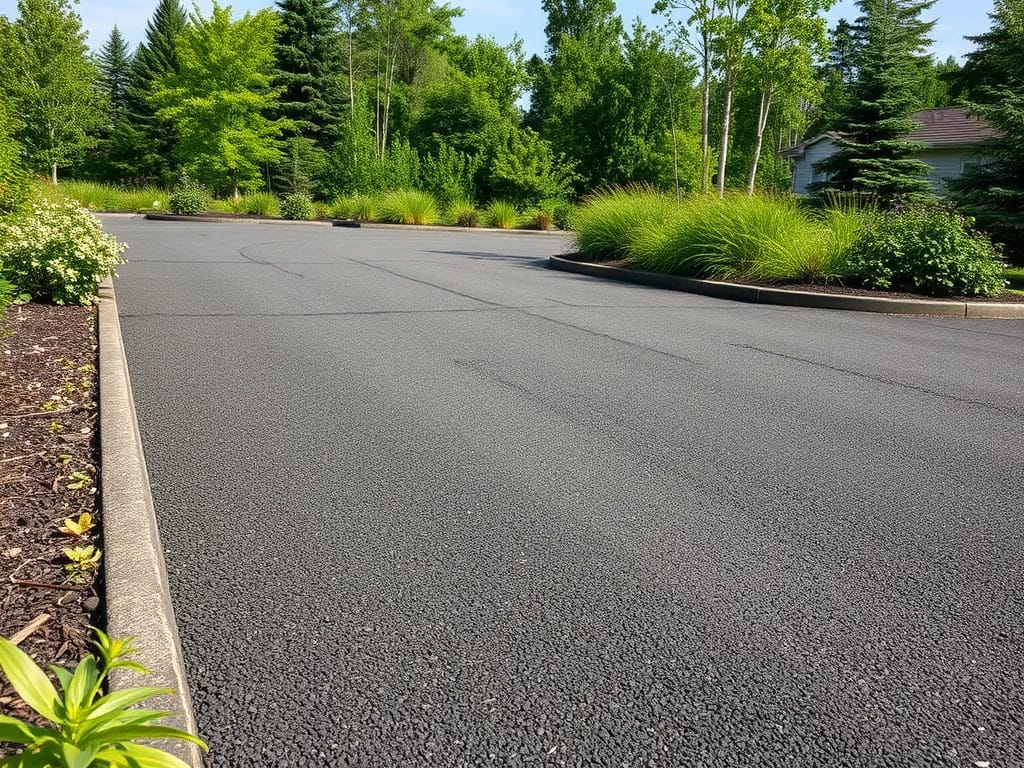
Connect your site with safe, accessible routes using asphalt pathway paving in Boston, MA. We build sidewalks, jogging paths, and multi use trails for campuses, parks, and commercial sites. Our crews shape curves, manage slopes, and compact surfaces for comfortable walking, biking, and running.
Precision Asphalt Boston provides professional asphalt pathway paving throughout Boston, MA, Massachusetts and the surrounding area. Our licensed, insured crew delivers safe, clean, on-time work with a free estimate before anything begins. Call (617) 648-5798 or request your free quote.
Asphalt pathways, sidewalks, and trails in Boston, MA done right
Asphalt pathways, sidewalks, and trails live a hard life in Boston. Freeze-thaw cycles, salt, tree roots, and plow blades all work against them. Precision Asphalt Boston focuses on building walkways that can handle our local conditions, not just look good on day one.
When we visit your property, we start by walking the route with you. We look at slope, drainage, existing concrete or asphalt, tree locations, utilities, and how people actually move through the space. For a home, that might mean a simple front walk and a side path to the driveway. For a condo complex or park, it might mean a network of looped walking trails and ADA-compliant access routes. We talk through width needs, whether you expect stroller or bike traffic, and how you want the edges to look.
Our crew then checks soil conditions. In many Boston neighborhoods, you see a mix of fill, clay, and compacted gravel from old construction. Where the soil is soft or holds water, we plan for a thicker base or better drainage so the pathway does not heave and break in a couple of winters. This early planning is what separates a pathway that lasts 20 years from one that falls apart in 5.
How we build asphalt pathways, sidewalks, and trails step by step
Once you approve the layout and scope, Precision Asphalt Boston follows a clear build process so you know exactly what is happening on your property.
1) Layout and marking: We mark the exact route with paint and stakes, note any utility flags, and confirm final widths and transitions to driveways, steps, and doors.
2) Excavation: For most walkways in Boston, we excavate 8 to 12 inches below final grade, more if the soil is soft. We haul the material away, keeping the site tidy as we go.
3) Sub-base preparation: We place and compact a crushed stone base, usually 4 to 8 inches thick depending on traffic and soil. For light residential foot traffic, 4 inches can be enough. For multi-family or park trails with bikes and maintenance vehicles, we often go thicker.
4) Drainage and slopes: We aim for at least 1 to 2 percent cross slope so water does not pool on the path. Where the path runs alongside a building or retaining wall, we slope it gently away to keep basements and foundations dry. In low spots, we may recommend French drains or extra underdrain stone.
5) Forms and edges: For curved pathways or precise transitions to steps and landings, we may use forms to shape the base. You can choose basic asphalt against grass, asphalt with a clean stone edge, or asphalt bordered by concrete or pavers for a more finished look.
6) Asphalt paving: For most pathways and sidewalks, we install a 2 to 3 inch compacted asphalt surface. On higher-use trails or drive lanes, we may recommend 3 to 4 inches in two lifts (a base course and a top course) for additional strength.
7) Compaction and finish: We compact with a vibratory roller and plate tampers along edges and around tight curves. The goal is a smooth, even surface with clean joints at driveways, streets, and steps.
8) Clean up and walkthrough: We remove debris, sweep the surface, and walk the entire length with you to confirm you are happy with slopes, transitions, and overall appearance.
Design options for residential pathways and multi-use trails
Pathways are not one-size-fits-all. Precision Asphalt Boston tailors each asphalt pathway paving project to how the space will actually be used.
For single-family homes in Boston and nearby suburbs, typical choices include a front entry walk from sidewalk to stoop, a side path to backyard or trash storage, and a small connecting walk between driveway and front steps. Widths usually range from 3 to 4 feet. We recommend at least 4 feet if you expect strollers or two people walking side by side.
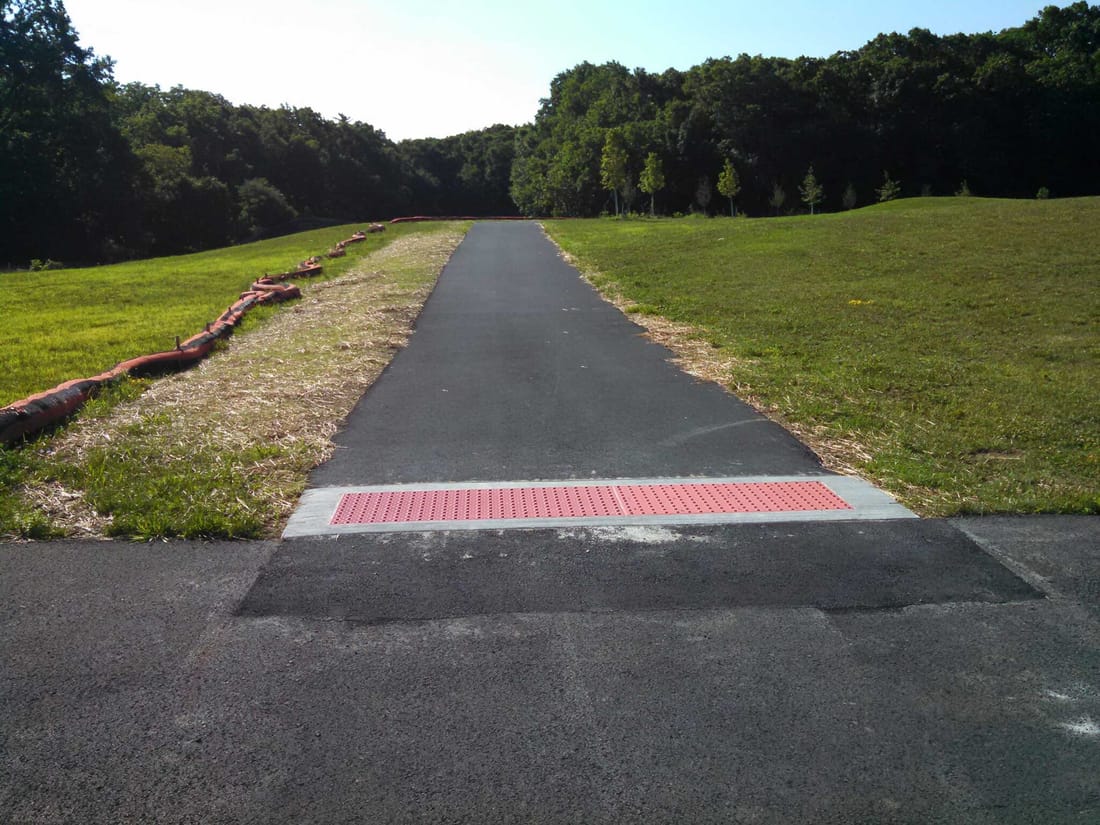
For multi-family buildings, schools, or commercial sites, we often build 5 to 8 foot wide pathways and sidewalks to handle heavier pedestrian flow. In these settings we also pay extra attention to ADA needs: ramp slopes, landings at doors, and smooth joints at curb cuts and crossings.
For park and recreation trails, design shifts to comfort and durability. We look at expected bike and jogger traffic and may recommend a slightly finer top mix for a smoother feel. Routes often curve around trees and existing landscape features, so we adjust base depth and edging to keep the path stable even where the alignment snakes through roots and grade changes.
Trim and edging options matter too. Some customers prefer asphalt with a simple grass edge, easy to mow and cost effective. Others like a crushed stone border to define the path better. On more formal projects, we install concrete or paver edges so the asphalt sits neatly inside a rigid frame. During planning we can show examples from recent Boston jobs so you can see how each approach actually looks on the ground.
Common Boston issues and what affects asphalt pathway paving cost
Costs for asphalt pathway paving in Boston, MA are driven by more than just square footage. Precision Asphalt Boston prices each project based on actual site conditions and the build details you choose.
Key cost factors:
• Excavation depth and disposal: Tight urban lots, inaccessible backyards, or areas with ledge or heavy clay take more time and equipment. If we have to wheel material out through a basement bulkhead or narrow side yard, labor goes up.
• Base thickness and materials: A thicker, well-compacted base costs more upfront but handles frost better and usually saves on repairs later. For heavily used trails or areas with known drainage issues, we will recommend investing here.
• Access and staging: In many Boston neighborhoods, equipment access is limited. If the crew must use smaller machines or more hand work, that adds time and cost. We discuss this clearly before the job starts.
• Edging and transitions: Concrete borders, decorative pavers, or custom transitions to existing stone steps or brick add to the price but can significantly improve appearance and reduce edge crumbling.
Local issues we see often include tree root heaving, spalling or cracking from de-icing salt runoff, and settlement where downspouts dump onto or beside a walkway. For roots, we plan the route to avoid major trunks where possible, use root pruning when appropriate, and sometimes add root barriers. For downspouts, we may run extensions under or away from the path and adjust grading so water moves off the surface instead of under it.
We also talk honestly about maintenance costs. A well-built asphalt walkway should not need structural work for many years, but sealing and small crack repairs at the right time keep water out and prevent winter damage. We can provide a basic maintenance schedule tailored to your specific site.
What to expect when you hire Precision Asphalt Boston
Working on a residential or commercial property in Boston means dealing with tight schedules, parking restrictions, and neighbors. Precision Asphalt Boston plans asphalt pathway paving projects so they are efficient and as low-disruption as possible.
Before work starts, we provide a written scope of work and layout sketch so you can see the exact route, widths, and tie-in points. If permits are required for sidewalk work along city streets, we explain what needs to be pulled and who handles it. For sites that share space with tenants or customers, we work out staging and safe access paths before we mobilize.
During construction, our crew keeps access to doors and key walkways whenever possible, or sets up temporary safe routes if a main path must be closed. We coordinate deliveries, parking for equipment, and material storage with you so you are not surprised by trucks blocking a driveway all day.
After paving, we typically recommend keeping foot traffic off the new surface for at least 24 hours and avoiding heavy loads such as small vehicles or loaded dumpsters for several days longer. We explain how to shovel and de-ice the new asphalt in winter to reduce damage, and how to spot early signs of cracking or settlement that should be addressed.
At the end of the project, you get a clear explanation of what was installed: base depth, asphalt thickness, any drains, and any special details such as root barriers or fabric layers. That way, if work is needed later, you or any contractor knows exactly what is under the surface.